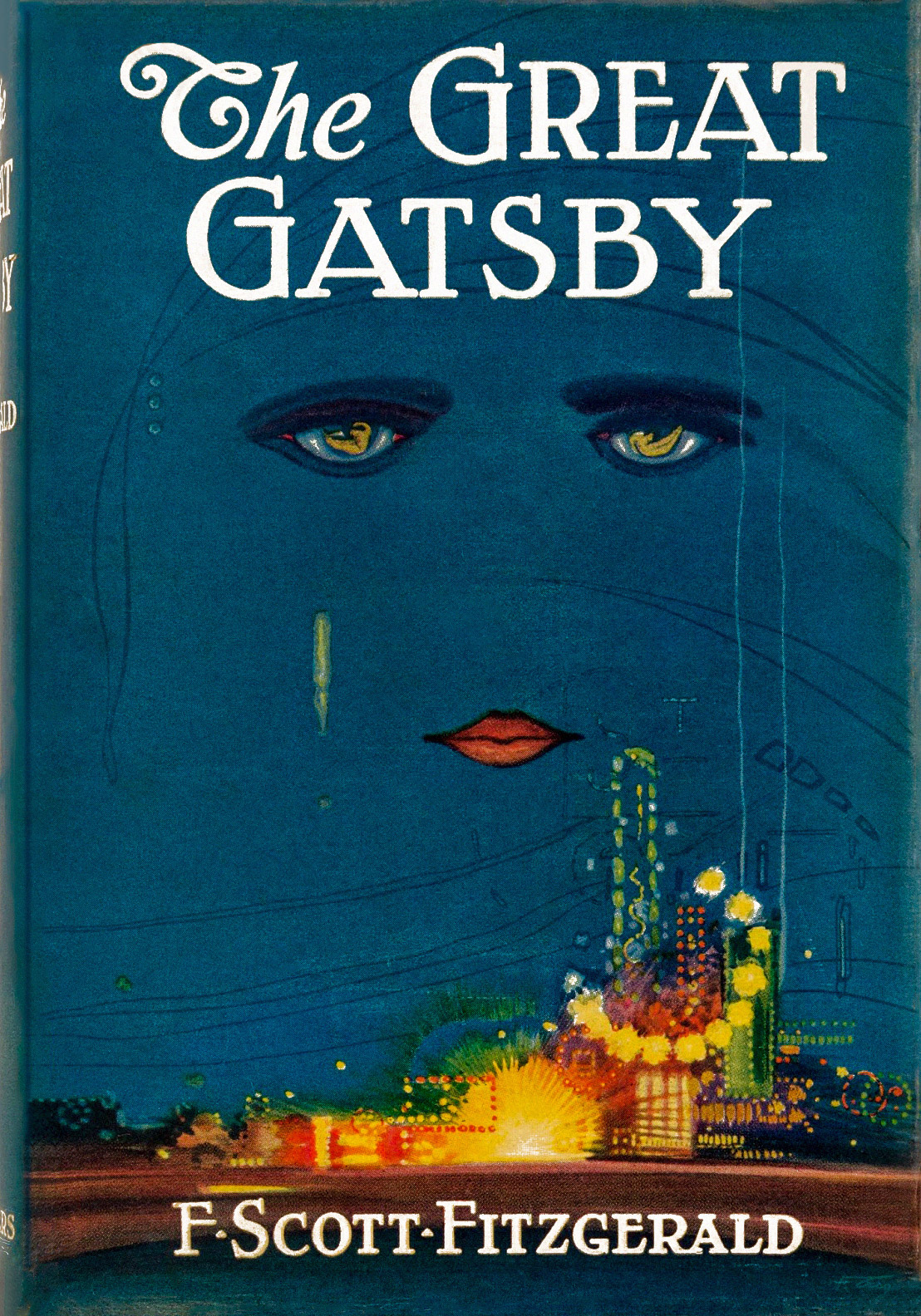
In The Great Gatsby, F. Scott Fitzgerald portrays the glittering yet hollow world of 1920s America, where wealth and status mask deep emotional emptiness. Through the mysterious figure of Jay Gatsby, the novel explores the illusion of the American Dream and the lengths people will go to reinvent themselves. Nick Carraway’s narration provides a lens that is both fascinated and critical, revealing the contradictions of a society obsessed with appearances. The lavish parties, expensive cars, and elegant homes symbolize success, yet beneath the surface lies loneliness, moral decay, and an unfulfilled longing for genuine connection that defines the era profoundly.
Jay Gatsby himself represents both hope and tragedy, as he dedicates his life to winning back Daisy Buchanan, the woman he loves. His immense fortune, acquired through questionable means, serves only one purpose: to impress Daisy and recreate a romanticized past. However, Gatsby’s dream is fundamentally flawed because it relies on the belief that time can be reversed. Daisy, in contrast, embodies the carelessness of the wealthy elite, choosing comfort and security over genuine love. Their relationship highlights the destructive power of idealization and the impossibility of achieving perfection in a world driven by illusion and selfish desires and greed.
Nick Carraway plays a crucial role as both participant and observer, offering insight into the events while maintaining a degree of moral judgment. His Midwestern values contrast sharply with the extravagance and recklessness he encounters in New York. Throughout the novel, Nick becomes increasingly disillusioned with the people around him, particularly Tom and Daisy, whose actions reveal a lack of accountability and empathy. By the end, Nick’s reflections emphasize the emptiness of the lifestyle he once found intriguing. His perspective ultimately guides readers to question the true meaning of success, integrity, and the cost of pursuing unattainable dreams in life.
The novel also explores the theme of social class, particularly through the contrast between East Egg, West Egg, and the Valley of Ashes. East Egg represents old money and established privilege, while West Egg symbolizes new wealth and ambition. Meanwhile, the Valley of Ashes stands as a grim reminder of the consequences of industrialization and neglect. Characters like George and Myrtle Wilson illustrate the struggles of those trapped in poverty, striving for a better life but ultimately crushed by the indifference of the rich. Fitzgerald uses these settings to critique the rigid class divisions that define American society at large.
Ultimately, The Great Gatsby endures as a powerful critique of the American Dream, exposing its darker side and the dangers of unchecked ambition. Gatsby’s rise and fall demonstrate how the pursuit of wealth and status can lead to moral compromise and personal destruction. The novel’s famous closing lines reflect on the persistence of hope, even in the face of inevitable failure, suggesting that people are forever striving for a better future that remains just out of reach. Fitzgerald’s work continues to resonate because it captures timeless human desires and flaws, reminding readers of the cost of chasing illusions in life